We’ve all been there. You’ve just finished the last page of The Very Hungry Caterpillar or Goodnight Moon for the fourth time this evening. You close the book, take a breath, and before you can even stand up, a small hand pushes it back into your lap. “Again.”
Reading the same book 400 times can feel like a form of psychological endurance training. However, while it might be driving you to the brink of madness, for your child, it’s an important part of their development. Here is how to survive “The Repeat Read” without losing your mind.

1. Remember the “Why” (It’s Not Just to Torture You)
Toddlers and preschoolers crave repetition because it’s how they learn.
- Predictability equals safety: In a world where they have very little control, knowing exactly what happens on the next page provides an immense sense of security.
- Mastering Language: Every time you read the book, they are picking up nuances in tone, vocabulary, and narrative structure.
- Pattern Recognition: They are learning to predict outcomes, which is a foundational math and literacy skill.
2. Turn the Text into a Game
If you can’t change the book, change how you interact with it.
- The Mistake Game: Intentionally read a word wrong. If the cow is supposed to say “Moo,” say “The cow said Meow.” Your child will delight in correcting you, turning the passive experience into an active one.
- The Find It Challenge: On every page, ask them to find something that isn’t central to the story. “Can you find a tiny ladybug on this page?” or “Where is something blue?”
- Predictive Pausing: Stop mid-sentence and let them fill in the blank. This builds their confidence and gives your voice a three-second break.
3. Become a Voice Actor
Channel your inner Cookie Monster. I love listening to my daughter and son-in-law read to their babies with ever-changing voices. These next tips are sure to incite giggles!
- Give every character a distinct, perhaps slightly ridiculous, accent.
- Experiment with volume. Whisper the exciting parts and use a booming “theatre voice” for the mundane ones.
4. Use “The Illustration Strategy”
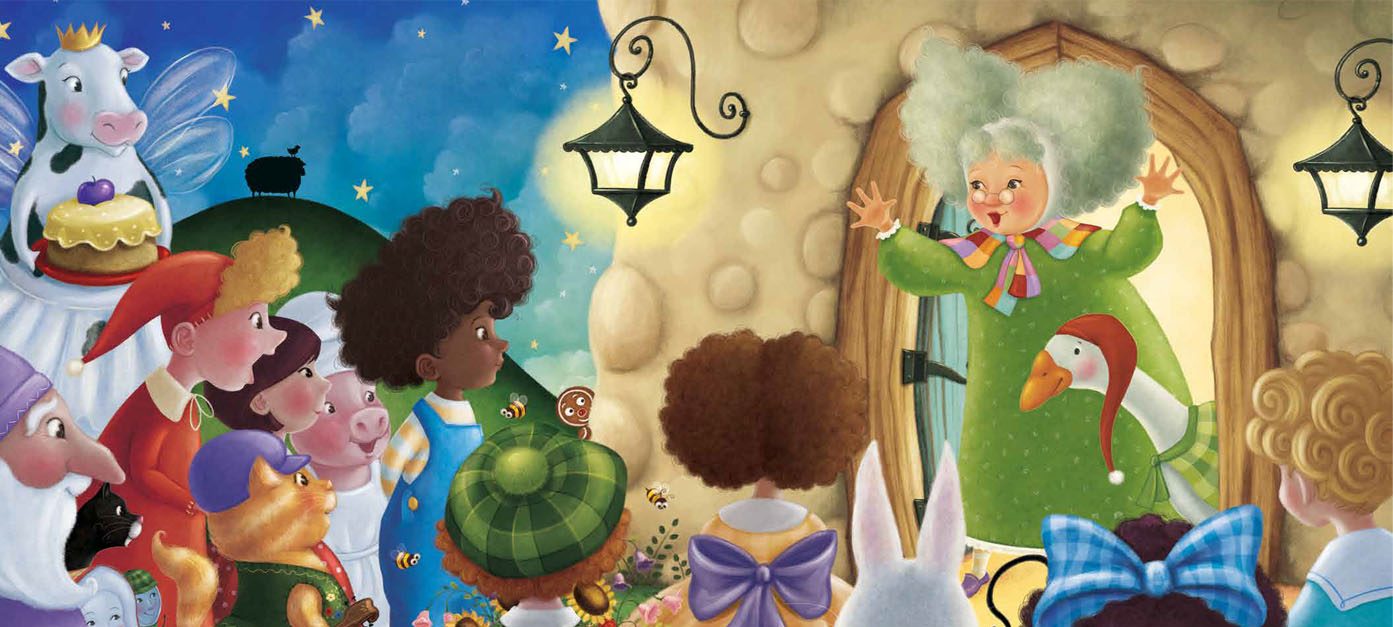
If you’re bored of the words on the page, look past them. Talk about the illustrations instead.
- “What do you think that squirrel is doing in the background?”
- “How do you think the main character is feeling right now? Why?”
- Creating a space for side characters can make the 100th read feel like a new exploration of a familiar world.
5. Set Gentle Boundaries
It is okay to have a limit.
- Use a “Ticket” system: Give them three physical tickets (or just three fingers) at the start of the night. Each read costs a ticket. When the tickets are gone, the library is closed.
- The “Switch-Up” Rule: “We will read this book twice, and then we will pick one new book together.”
The Light at the End of the Tunnel
One day, sooner than you think, they will move on. They will find a new favorite, and you might actually find yourself feeling a strange, nostalgic pang for that worn-out board book with the chewed corners.
But until then? Take a deep breath, put on your best silly voice, and remember, you aren’t just reading a book; you’re building a brain.
“Again?”
“Again.”
